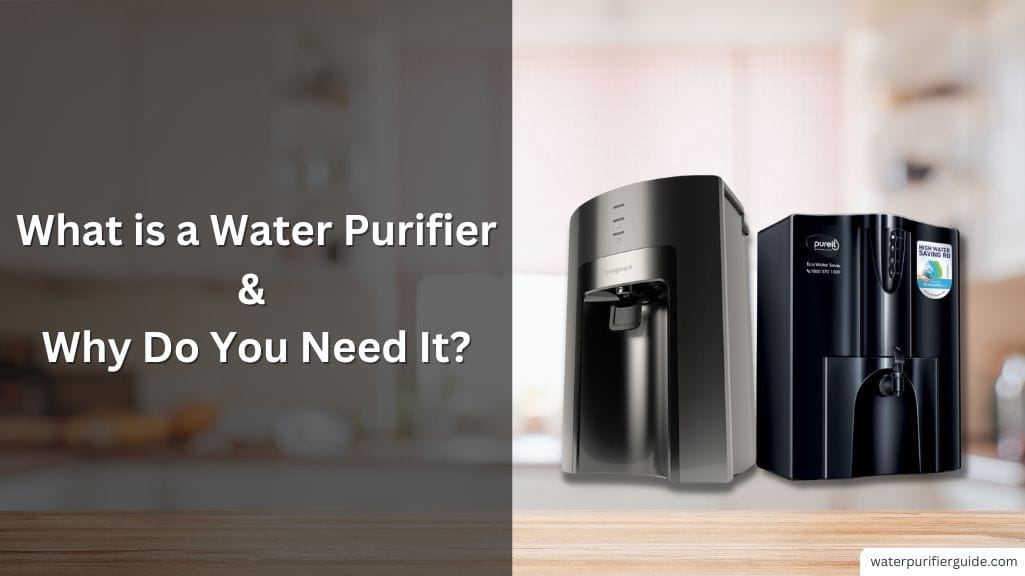

Clean water is needed in every home, but it is not possible to use an electric purifier everywhere. In such a situation, Non-Electric Water Purifier is an easy and economical option.
Non-Electric Water Purifier works without electricity and uses gravity-based or cartridge filter technology to clean water. It is especially useful in places where there is a shortage of electricity or limited water supply.
In this article, you will know what is Non-Electric Water Purifier, how it works and under what circumstances it can prove to be the best option.
What is a Non-Electric Water Purifier?
Non-Electric Water Purifier is a purification system that does not require electricity to run. It simply works on gravity or manual pressure. That is, if there is frequent power outage in your house or you live in a rural area, then it becomes a reliable option.
In this type of purifier, water flows from the upper tank to the lower tank and the filter in the middle cleans the water. Its biggest advantage is that you do not have to depend on electricity and still you get clean and safe water.
Types of Non-Electric Water Purifiers:
1. Gravity-Based Purifiers:
These filters purify water with the help of Activated Carbon and Sediment Filter. They also remove soil, dust and to some extent odor from the water.
2. UF (Ultrafiltration) Purifiers:
It has a UF membrane that traps bacteria and solid particles present in the water. UF technology is considered suitable for clean and mildly contaminated water.
Simply put, Non-Electric Water Purifier is better for places where electricity is not always available and you need clean water without any complex technology.
Essential Insights:
- Non-Electric Water Purifier works without electricity.
- It cleans water with gravity or UF technology.
- Suitable for rural areas or places with power cuts.
- It is an easy and cost-effective solution for pure water.
How does a Non-Electric Water Purifier Work?
Non-Electric Water Purifier follows a simple and natural process to purify water. It does not require electricity, but it completely depends on Gravity or UF Membrane. Let’s understand its working steps:
Step-by-Step Filtration Process:
- Water Entry (Putting Water in the Upper Container): First of all, you put the water in the upper tank of the purifier.
- Passing through Sediment Filter: The water first passes through the Sediment Filter, which stops large particles like soil, sand and dirt.
- Activated Carbon Filter: The water then passes through the Activated Carbon Filter, which removes chlorine, bad odor and taste.
- UF (Ultrafiltration) Membrane: Finally, the water passes through the UF Membrane. This stops microorganisms like bacteria and cysts, making the water drinkable.
Gravity-Based Filtration vs UF Technology:
- Gravity-Based Purifiers: These clean water only with Sediment and Carbon Filters. These are sufficient for mildly contaminated water.
- UF (Ultrafiltration) Purifiers: These have a special membrane that stops bacteria and other microorganisms, so they are considered safer.
Important Takeaways:
- Non-Electric Water Purifier cleans water in four steps.
- Sediment Filter removes dust, Carbon Filter improves odor and taste.
- UF Membrane makes water safe by preventing bacteria and cysts.
- Gravity Purifier does basic cleaning, while UF Purifier provides more protection.
Key Features of a Non-Electric Water Purifier
Non-Electric Water Purifier is designed for those who want to get clean water even without electricity. This purifier can be easily used in all types of homes and areas due to its simple design and useful features.
Let’s take a look at its key features:
1. Portable and Easy to Move:
Its compact and lightweight design makes it easily portable. Whether you are in a rented house or in a rural area, it can be set up anywhere.
2. No Power or Running Water Required:
This purifier does not depend on electricity and continuous running tap water. Just add water to the tank and get pure water in no time.
3. Low Maintenance Cost:
Its filters and parts are affordable and do not cost much to replace or clean. So it is a cheap and reliable option in the long run.
4. Different Size Options (5L, 10L, 20L):
It is available in different sizes like 5 liters, 10 liters and 20 liters as per your requirement. From small families to large families, everyone can choose according to their needs.
In simple words, Non-Electric Water Purifier is a portable, cheap and easy solution, especially when electricity or tap water is not available.
Remember This:
- This purifier is lightweight and portable.
- Works even when there is no electricity and tap water.
- Its maintenance is easy and less expensive.
- Available in different sizes so that every family can use it.
Advantages of Using a Non-Electric Water Purifier
In today’s time where electricity cost and water quality are both big issues, Non-Electric Water Purifier proves to be a very useful option. It is not only cheap, but also eco-friendly and easy.
Let’s understand its main benefits:
1. Cost-Effective Solution:
This purifier is very economical compared to other advanced technology purifiers. You can provide pure water to your family even in a low budget.
2. Eco-Friendly – No Electricity Usage:
Since it does not depend on electricity, the power consumption remains zero. It not only reduces your expenses but also helps in protecting the environment.
3. Best for Safe Municipal Water (Low TDS):
If the municipal water in your home is already potable and has balanced minerals, then Non-Electric Water Purifier is perfect for you. It makes that water even cleaner and safer.
4. Simple Installation and Easy Maintenance:
Its installation is very easy, no technician is required. Maintenance and filter replacement is also simple and inexpensive, which you can do yourself.
That is, Non-Electric Water Purifier is a less expensive, environmentally-safe and reliable option for your home.
Important Takeaways:
- This purifier is cheap and budget-friendly.
- No electricity required, so it is environment friendly.
- Best for safe municipal water and water with low TDS.
- Easy installation and low maintenance are its biggest features.
Limitations of a Non-Electric Water Purifier
Although Non-Electric Water Purifier is extremely useful in many cases, it also has some disadvantages that are important to know. This purifier only cleans water at a basic level and is not suitable for all types of water.
Let’s take a look at its Limitations:
1. Does not remove Dissolved Salts and Heavy Metals:
This purifier only prevents dust, dirt and bacteria. But if there are dissolved salts, fluoride, arsenic or other heavy metals present in the water, it cannot remove them.
2. Not Suitable for High TDS or Groundwater:
If your water is high TDS or contaminated ground water, then Non-Electric Water Purifier is not the right choice. In such cases, advanced technology like RO is required.
3. Slower Purification Speed:
Its water cleaning process is slower than electric RO or UV purifiers. So it can sometimes prove less convenient for large families or homes with high water needs.
So, Non-Electric Water Purifier is good for places where water is already clean and safe, but if there are more dissolved chemicals in the water, it alone is not enough.
Don’t Overlook This:
- It cannot clean dissolved salts and heavy metals.
- It is not suitable for high TDS and groundwater.
- Its speed is less as compared to electric purifiers.
- Better option only for clean and safe municipal water.
Who Should Use a Non-Electric Water Purifier?
Every household has different water needs, and choosing the right purifier is important. If you are wondering if a Non-Electric Water Purifier is right for you, it works best in certain situations:
1. Families with Clean Municipal Water Supply:
If the municipal water in your home is already clean and has balanced dissolved minerals, then a Non-Electric Water Purifier is an affordable and reliable option. It removes problems like dust, bacteria and odor from the water.
2. Students or Working Professionals in Rented Spaces:
If you live on rent and shift frequently, then this purifier is perfect for you. Its portable design and easy installation makes it a hassle-free option.
3. Homes with Frequent Power Cuts:
In places where power cuts are frequent, RO or UV purifiers are not able to work all the time. In such a situation, Non-Electric Water Purifier does not depend on electricity and provides you with clean water all the time.
Simply put, this purifier is better for families and individuals who need purified water in an easy and affordable way, without spending electricity.
Make an Informed Choice:
- Best for homes with clean municipal water.
- An easy option for students and professionals living on rent.
- It proves to be the most reliable in areas with power cuts.
Maintenance Tips for Non-Electric Water Purifier
If you want your Non-Electric Water Purifier to work properly for a long time and always give you clean water, then it is important to maintain it properly. Good care not only maintains the quality of water but also increases the life of the purifier.
Let’s know some easy tips:
1. Regular Cleaning of Storage Tank:
It is important to clean the storage tank of the purifier from time to time. Bacteria can grow if dirt or mud accumulates in it. Wash the tank thoroughly every 1-2 weeks and keep it clean.
2. Replace Filters on Time:
Every filter has a fixed life. Keep replacing Sediment, Carbon or UF membrane on time as per the manufacturer’s guidelines. By doing this, the water will always remain pure and safe.
3. Avoid Using Dirty or High TDS Water:
Non-Electric Water Purifier is only suitable for clean municipal or low TDS water. Do not use it in dirty, groundwater or highly mineralized water, otherwise the filters may get damaged quickly and the water will not be completely safe.
With proper care and timely filter replacement, you will continue to get pure water from your purifier for a long time.
Important Reminder:
- Clean the storage tank regularly.
- Do not forget to replace the filter on time.
- Do not use this purifier in dirty or high TDS water.
- With proper care, Non-Electric Water Purifier works better for a long time.
Non-Electric Water Purifier vs Electric Water Purifier
When you think of buying a new water purifier, the question often arises whether Non-Electric Water Purifier is better or Electric Water Purifier? Both have their own advantages and limitations. Let’s understand them on the basis of cost, filtration, maintenance and water quality:
1. Cost:
- Non-Electric Water Purifier: Available at a low price and is a budget-friendly option.
- Electric Water Purifier: These are costlier, especially in models with RO and UV technology.
2. Filtration:
- Non-Electric Water Purifier: Limited to Sediment, Carbon and UF membranes. It prevents dust, odor and bacteria, but cannot remove dissolved salts or heavy metals.
- Electric Water Purifier: Uses advanced technology like RO and UV, which removes dissolved salts, chemicals and even viruses.
3. Maintenance:
- Non-Electric Water Purifier: Its maintenance is easy and inexpensive. Changing the filter on time keeps it running well for a long time.
- Electric Water Purifier: Its maintenance can be expensive and a technician is required for service.
4. Water Quality Handling (According to water quality):
- Non-Electric Water Purifier: Suitable only for clean municipal or low TDS water.
- Electric Water Purifier: Is also capable of purifying high TDS, contaminated groundwater or extremely dirty water.
In short, if you have clean municipal water and a limited budget then a Non-Electric Water Purifier is right for you. But if the water is too salty, dirty or contains chemicals, then Electric Water Purifier will be better.
Final Words of Advice:
- Choose a Non-Electric Water Purifier for clean and low TDS water.
- For highly contaminated and salty water, an Electric Water Purifier is the right choice.
- Make your choice based on budget, water quality and usage.
Conclusion
If your area has clean and low TDS water, then Non-Electric Water Purifier is a great option for you. It works without electricity, is economical and easily provides pure water for everyday needs.
But if your water has high salinity, dissolved salts or heavy metals, then this alone will not be enough. In such cases, RO based Electric Water Purifier is required.
In short, this purifier is perfect for families who want clean, safe and easy water purification without spending electricity and on a low budget.
FAQs Section:
1. What is Non-Electric Water Purifier?
Non-Electric Water Purifier is a water purification system that works without electricity. It cleans water from Sediment, Carbon and UF membrane.
2. Where is Non-Electric Water Purifier best suited?
It is best suited for areas with clean municipal water and low TDS. It is also ideal for areas with power cuts and those living in rented houses.
3. Can Non-Electric Water Purifier purify salty or high TDS water?
No, it cannot remove dissolved salts and heavy metals from salty or high TDS water. An RO based Electric Purifier is suitable for such water.
4. How to care for Non-Electric Water Purifier?
Clean its storage tank regularly and change the filters from time to time as per the manufacturer’s guidelines.
5. What is the difference between Non-Electric and Electric Water Purifier?
Non-Electric Purifier works without electricity and is suitable for water with low TDS. Electric Purifier (RO/UV) can also purify highly contaminated and salty water.